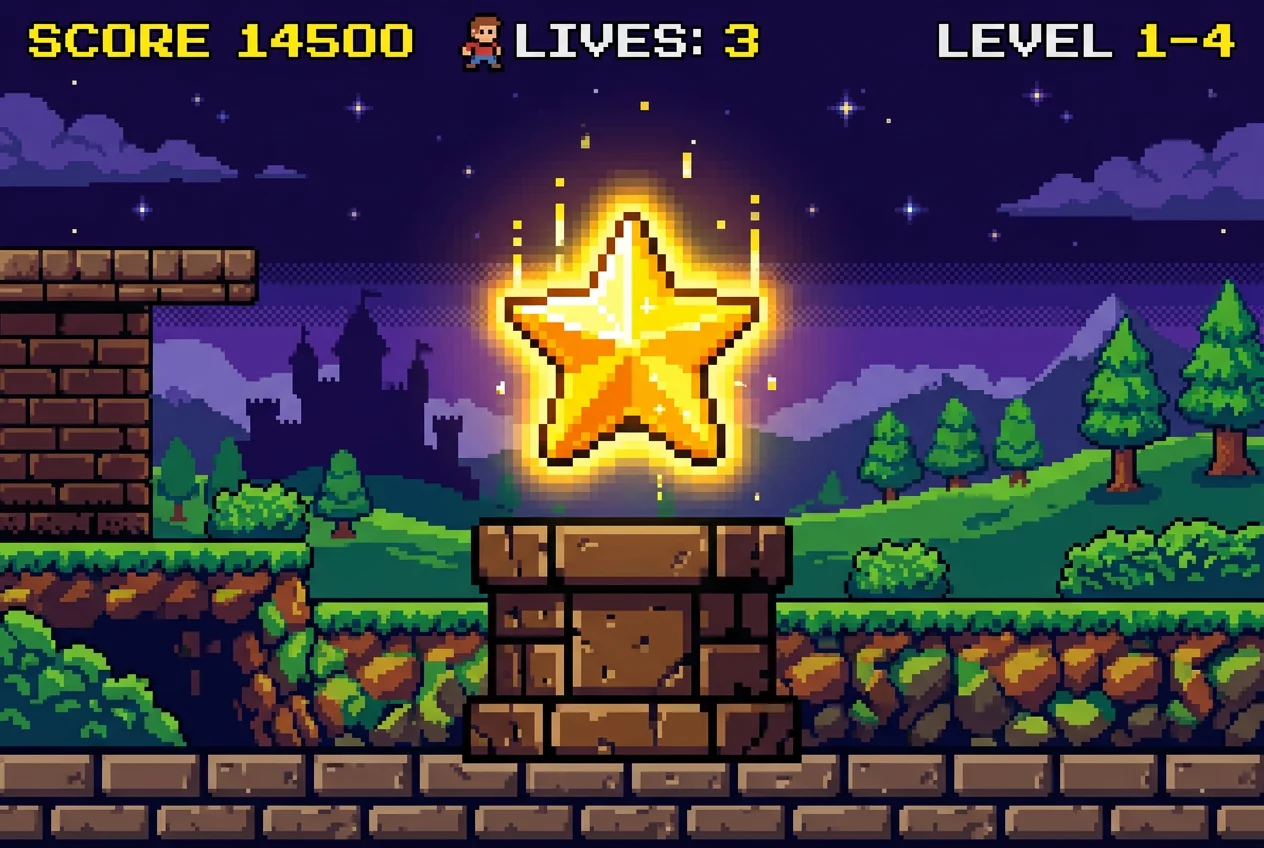
In the unforgiving landscapes of early arcade ports and console exclusives, death was often just a pixel away. For many of us holding a Dendy or Sega controller, the struggle against overwhelming odds was part of the charm, yet there were moments when we wanted to breathe, explore, and simply feel untouchable. This desire birthed one of the most iconic eras in gaming culture: the rise of the invincibility code.
The Birth of the Immortal Player
The concept of a "God Mode" didn't start as a player feature. It began as a necessity for developers. Testing a game where you die in one hit is a logistical nightmare. Programmers needed a way to fly through stages, bypassing collisions and hazards to verify that the later parts of the crown-jewel software worked as intended. Eventually, these backdoors were left in the final code, discovered by curious children pressing random button sequences in the dark of their living rooms.
The most legendary of these, the Konami Code, set the standard. It wasn't just about extra lives; it was about the feeling of safety in a digital world designed to reject you. On the Sega Mega Drive, developers took things further, hiding complex sound test triggers that, when played in a specific order, granted true invincibility. It transformed the player from a struggling survivor into a divine force of destruction.
Cultural Impact of the Golden Star
Invincibility wasn't just a cheat; it was a way to experience the art. Without the fear of the game-over screen, we could appreciate the meticulous pixel art of the bosses or the intricate patterns of the projectiles. It allowed younger siblings to join in on the fun, bridging the gap between "hardcore" mastery and casual enjoyment. The flickering aura that enveloped our characters during these powered-up states became a visual synonymous with triumph.
Community Thoughts
Leo
24/04/2026Classic codes. They saved my sanity during some of those brutal boss fights.
Leave a Comment