The Birth of the Rhythmic Chain
There was a specific kind of magic found in the flickering screens of the early nineties. It wasn't about complex frame data or modern input buffers; it was about the raw, visceral connection between a player and their plastic controller. Walking into a dim arcade or sitting on a carpeted floor in front of a glowing Dendy, the air was thick with the rhythmic 'clack-clack-clack' of buttons being pressed in a specific, almost musical sequence. This wasn't just mashing; it was a deliberate performance.
Atmosphere Over Execution
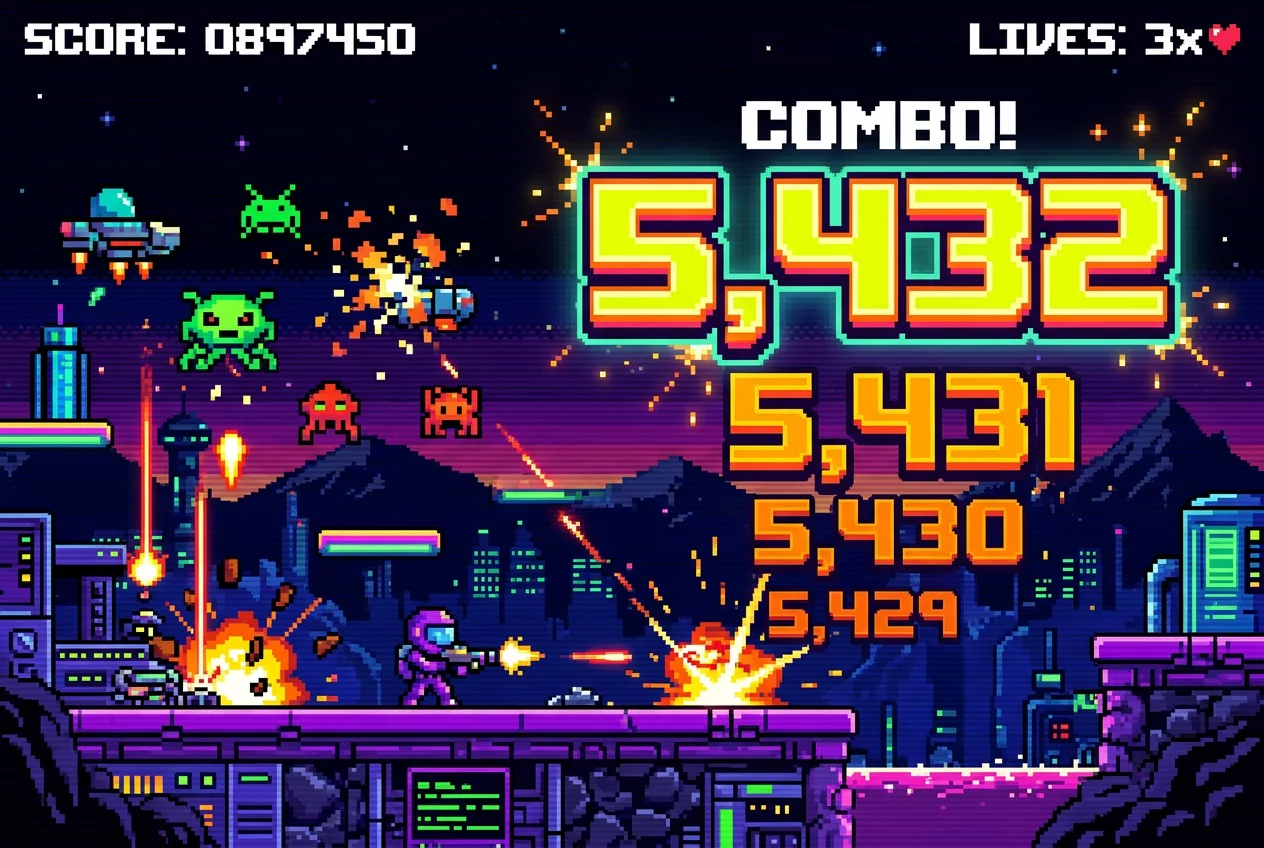
The satisfaction of seeing a pixelated character execute a flurry of moves was unparalleled. It transformed a simple digital fight into a dance of frames and light. We remember the way the screen seemed to stutter just for a millisecond, emphasizing the impact of a final blow. These systems weren't just lines of code; they were the heartbeat of the competitive scene, turning casual players into legends of the local neighborhood. The visual feedback was just as important as the mechanics themselves. Every successful sequence was accompanied by bright sparks, flashing numbers, and that iconic sound of impact that echoed through the room.
The Visual Flourish of Success
It created an atmosphere of pure tension and excitement, where every frame counted and every button press felt like it had weight. Even now, decades later, the muscle memory remains, a testament to how deeply these pixelated battles etched themselves into our collective memory. The transition from simple single-strike trades to complex, flowing chains of movement represented the coming-of-age for the genre on 8-bit and 16-bit consoles. It wasn't merely about winning a match; it was about the style and rhythm with which you outplayed your opponent.
Community Thoughts
Sam
08/05/2026Nice moves.
Leave a Comment